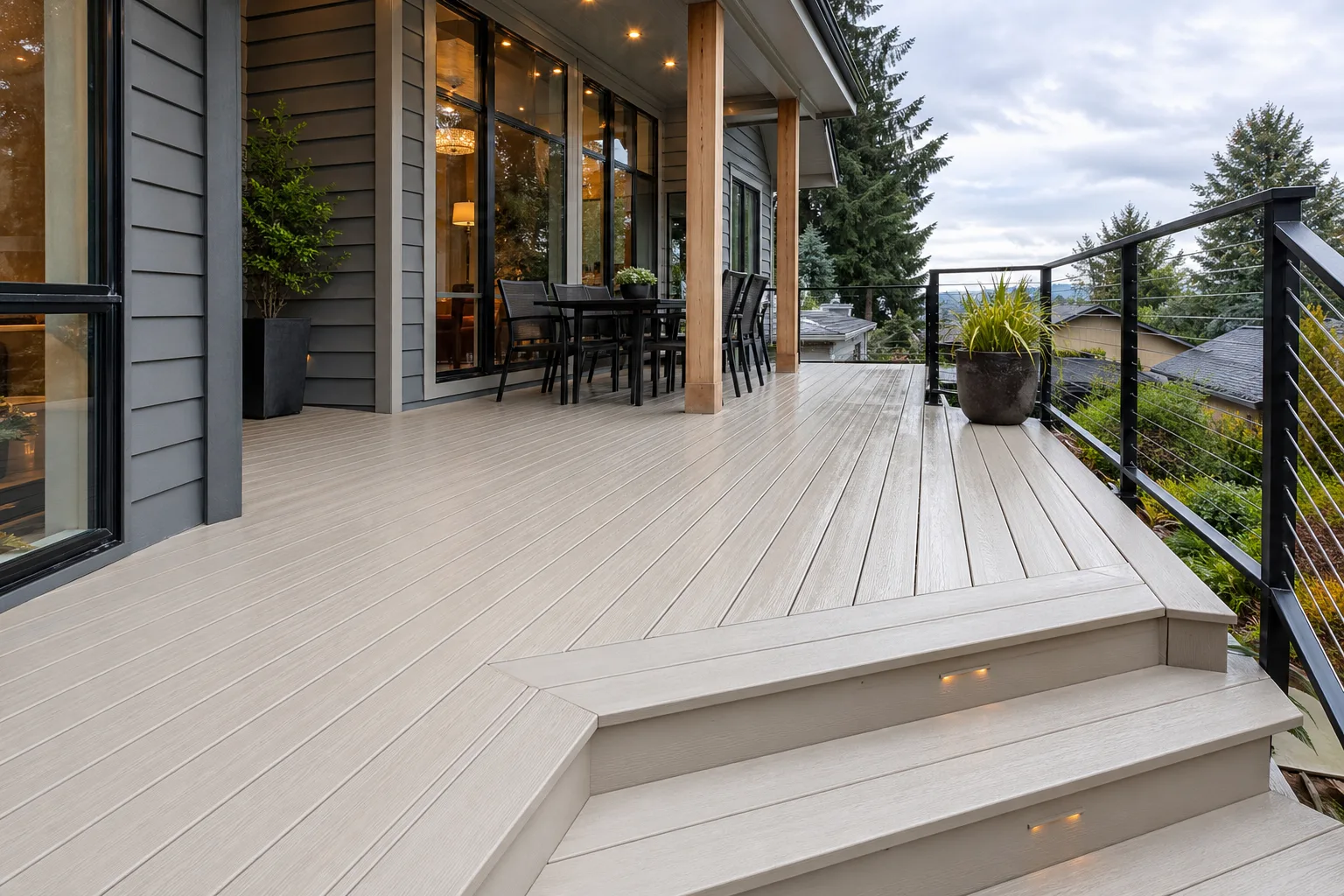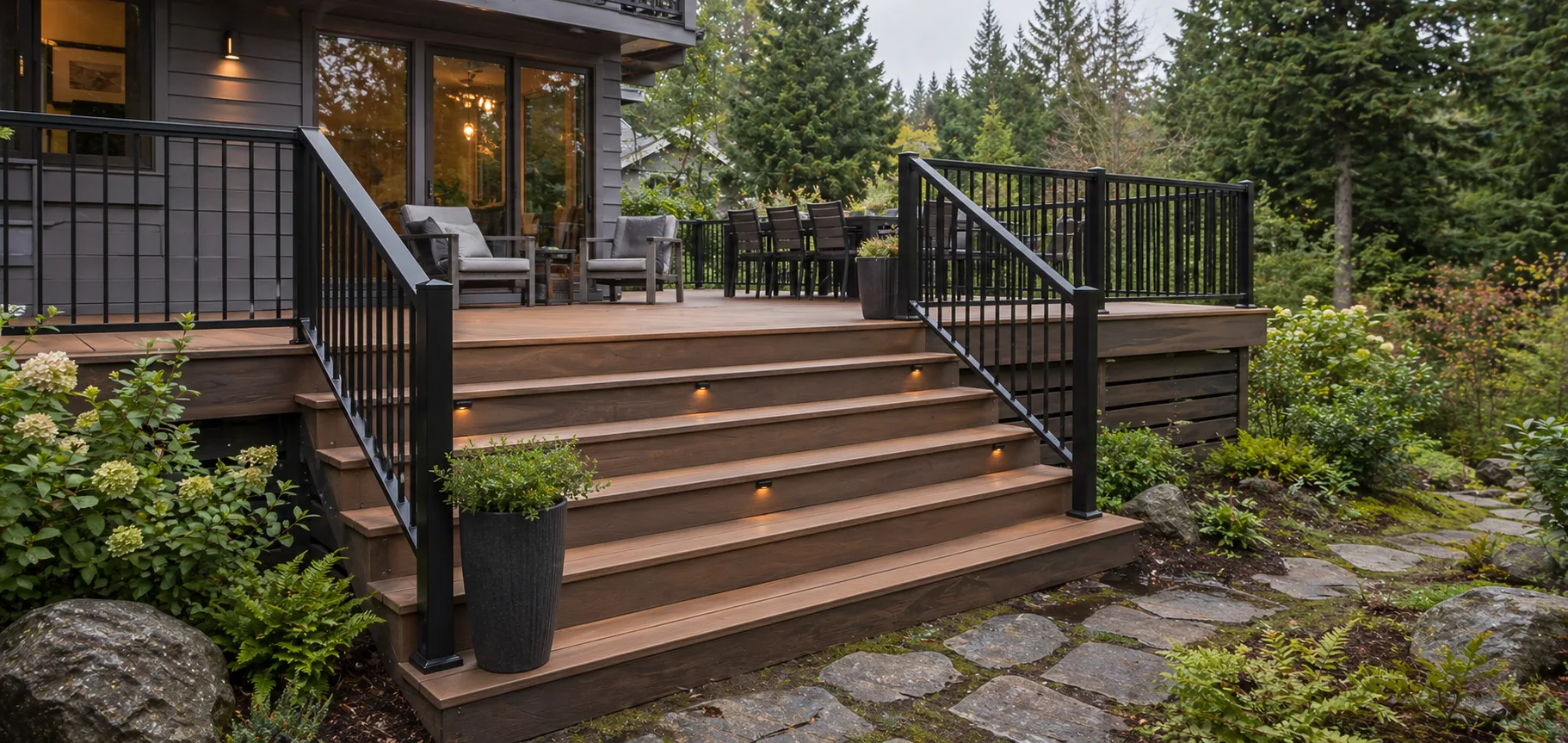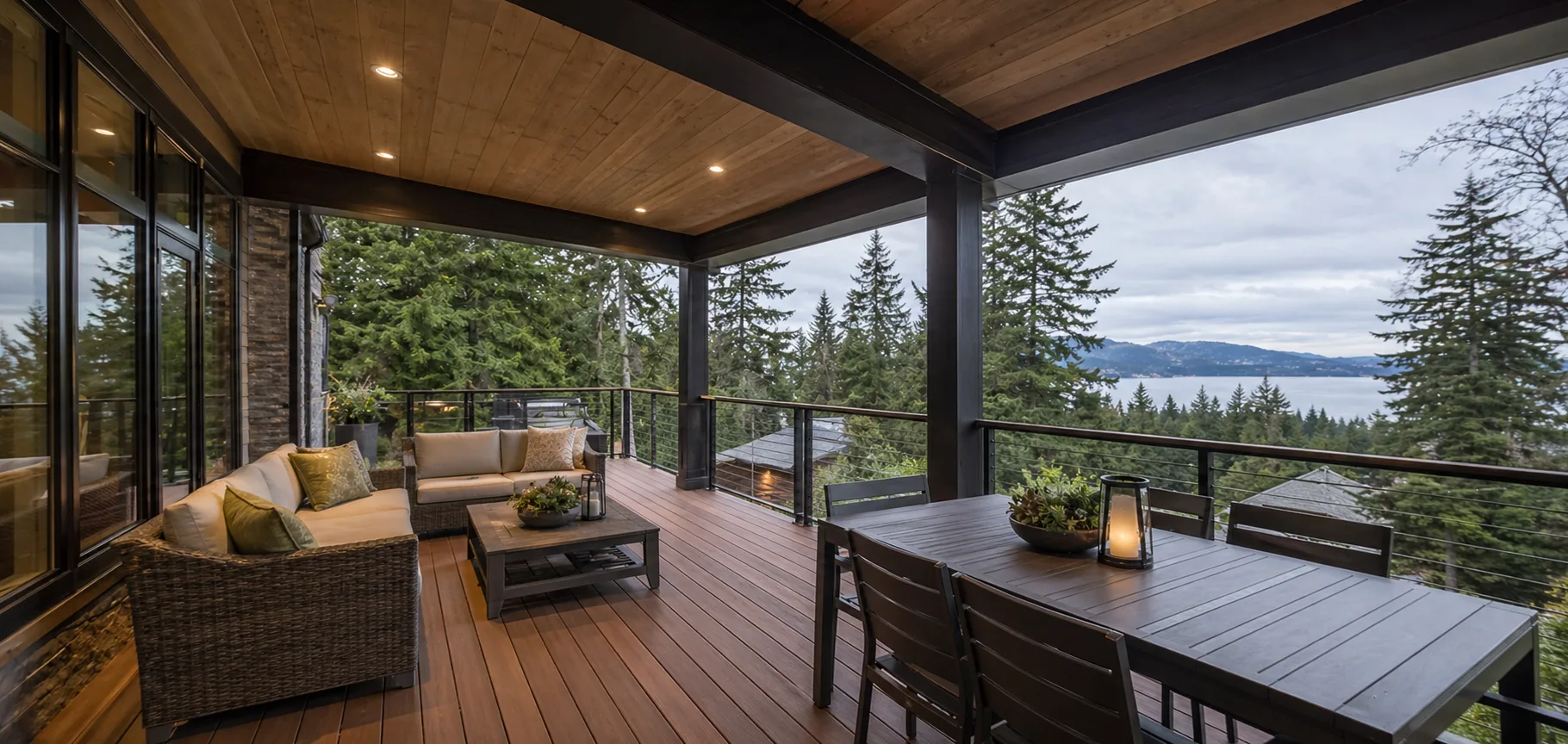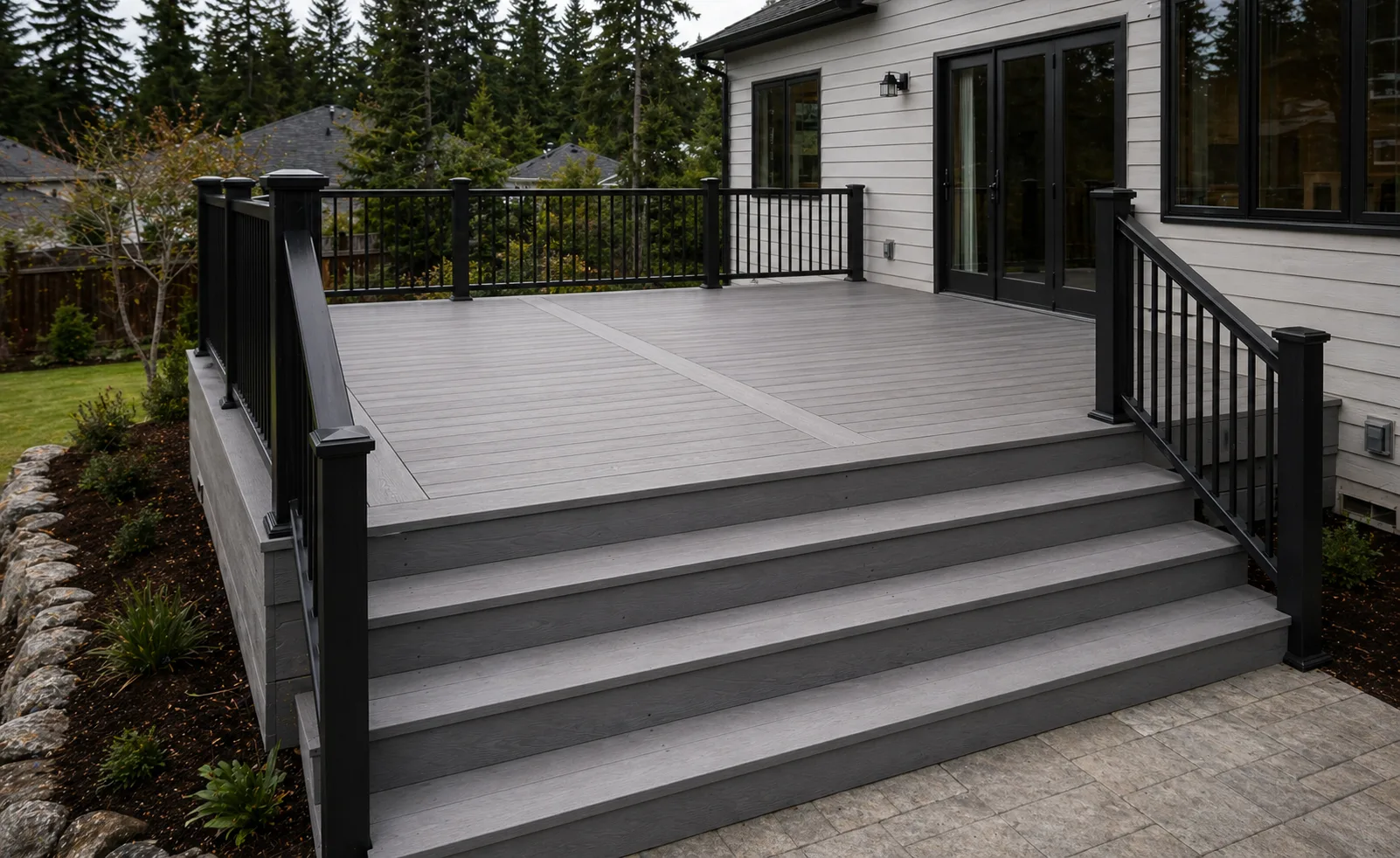
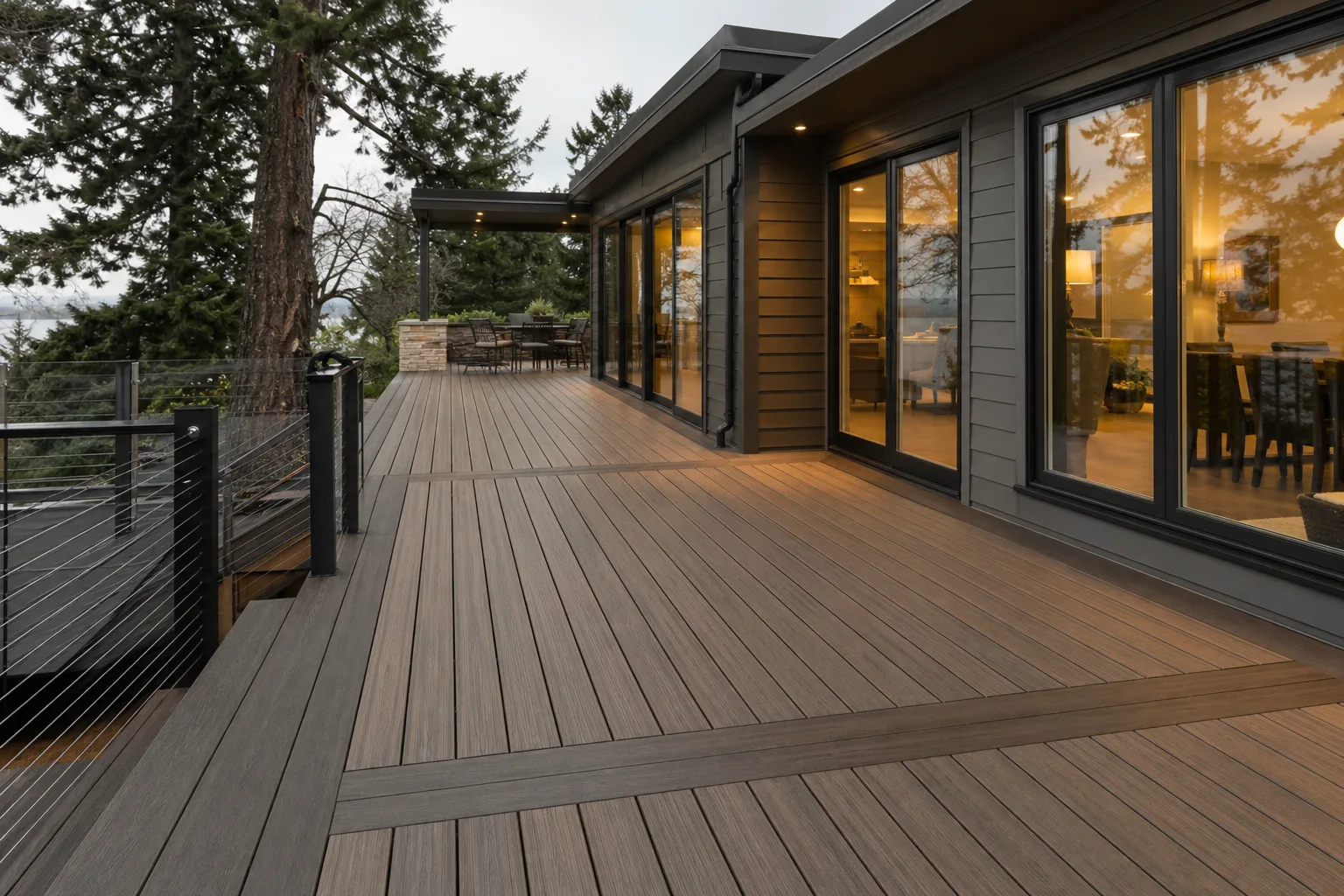
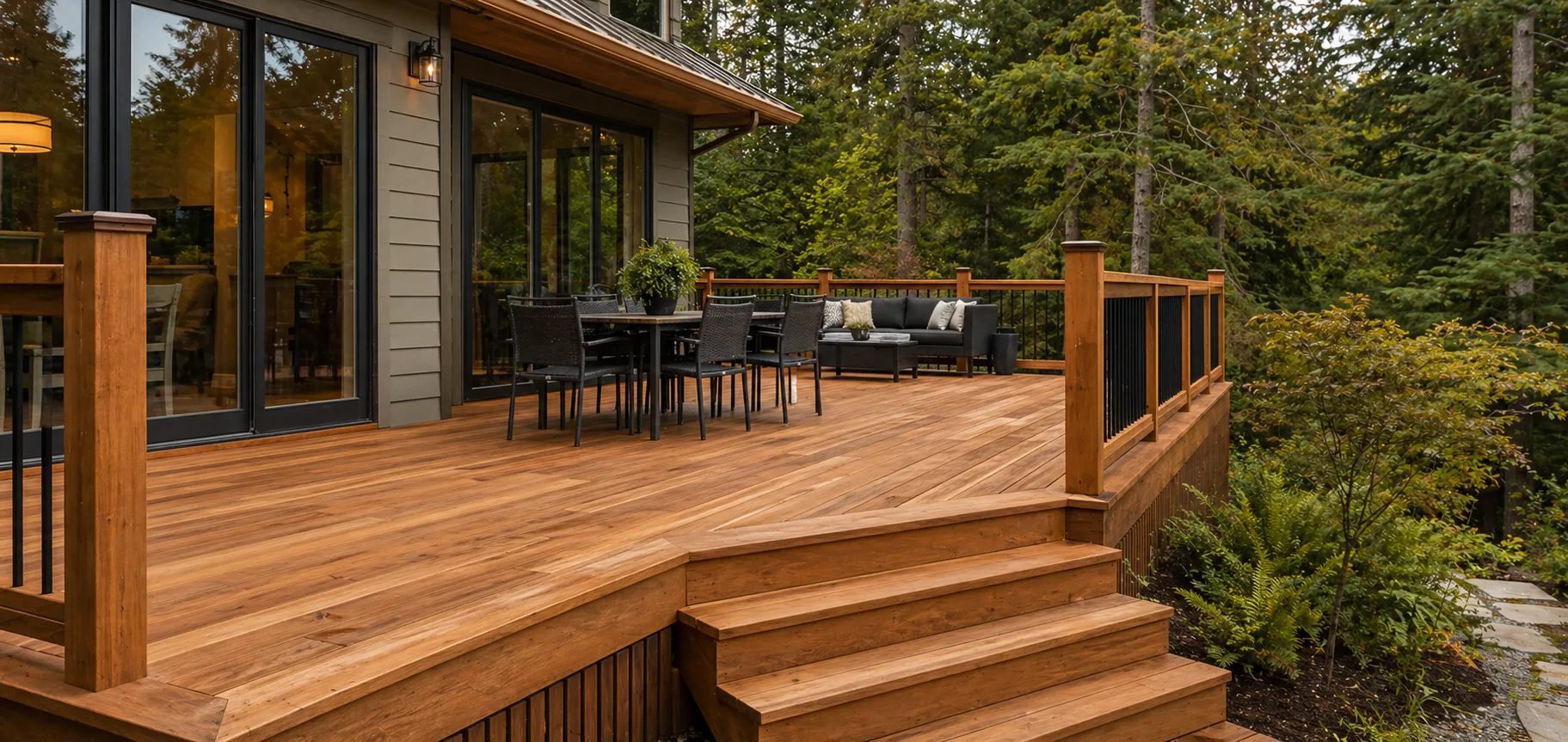
Replacement deck with clean stairs, railings, and contractor-grade detailing
Back to Decks

Deck Replacement Cost

Deck replacement cost depends on structure, access, materials, and what an honest scope actually includes.

Per-square-foot pricing is a starting point, not an answer. The real budget is shaped by framing condition, ledger and flashing work, stairs, railings, footings, material choice, and how the new deck ties into the house. Karma builds replacement estimates around the work that actually has to happen — not the thinnest scope that wins the bid.

Good fit when you need
  • Honest scope, not lowest-bid
  • Material and railing choices
  • Structural and access factors
  • Photo-based pre-estimates

Replacement pricing starts below the deck boards.

The visible surface — the boards and railings — is one part of the budget. Most of the real cost lives underneath: footings, posts and beams, joist sizing, the ledger and flashing detail at the house, stair framing, and the demolition and disposal of what's already there. A replacement quote that doesn't address those is going to be revisited.
The lowest quote is almost always the thinnest scope.

When two replacement quotes are far apart, the difference is usually in what's included, not in markup. Demolition, framing review, footings, stairs, railings, flashing, debris removal, and the connection to the house all add real labor. A bid that leaves them off looks attractive at signing and stops looking that way the first time a change order shows up. Karma quotes the full honest scope from the start, with clear pricing and structural allowances written in up front.

Deck Planning

The right deck depends on structure, exposure, and how you use the space.

Seattle-area decks need careful attention to framing, drainage, flashing, stairs, guardrails, fasteners, material movement, and the way the deck ties into the home. Karma helps homeowners compare the practical tradeoffs before work starts.

Best For

  • Aging or unsafe decks
  • Full deck rebuild budgeting
  • Material upgrade planning (cedar, composite, PVC)
  • Replacement after repeated repairs
  • Comparing replacement quotes accurately

Review First

  • Existing framing and attachment condition
  • Stairs, guardrails, and landing complexity
  • Cedar, composite, or PVC material choices
  • Access, permits, disposal, and structural condition
  • Ledger flashing and house wall waterproofing
Replacement deck with clean stairs, railings, and contractor-grade detailing

Built Example

When replacement makes more financial sense than another round of repairs.

If the framing is already soft, the stairs are failing, the railings need rebuilding, and the deck doesn't meet current code, repeated repair stops being efficient. A clean replacement often costs less over a 10-year horizon than three or four stacked repair invoices, and it gives homeowners a deck that meets code from day one.

Related Deck Services

Other deck services homeowners often compare while planning this work.

Deck work usually succeeds when structure, drainage, and access are reviewed together.

Good deck planning usually means checking the framing, the house connection, the drainage path, stair geometry, railing safety, and how the finished space will actually be used. That review is what separates a short-lived patch from a deck scope that holds up.